
How to Reheat Tingkat Lunch Properly Without Losing Flavour
TL;DR:
- Proper reheating keeps your tingkat meals flavourful, moist, and evenly warmed
- Use suitable containers and transfer delicate items for consistent heating
- Steam, microwave, and oven methods can help retain moisture, aroma, and texture
- Practise safe storage — label, chill immediately, and reheat once for best quality.
How to Reheat Tingkat Lunch Properly Without Losing Flavour
Ever anticipated enjoying a tingkat lunch only to find yesterday’s rice a little dry, or your vegetables looking limp? With hectic workdays and staggered lunch hours, many meals sit in the fridge for hours — making proper reheating essential for preserving taste and texture.
For busy professionals who rely on ready-prepared meals to get through the day, knowing how to warm food without compromising quality makes a noticeable difference. With a few simple techniques, you can enjoy your tingkat lunch as warm, fragrant, and balanced as when it was first prepared.
Understanding Container Types for Effective Reheating
The type of container your meal arrives in plays a key role in reheating efficiency. Choosing the correct reheating method for each container helps prevent soggy grains, uneven temperatures, or overcooked proteins.
Selecting the Right Materials: Stainless Steel, Microwave-Safe Plastics & Ceramics
Stainless steel tiffins are great for keeping food warm but aren’t microwave-safe. Microwave-safe plastics and ceramic containers offer even heat distribution and protect both food quality and safety. Using the right material prevents warping, sparks, or leaching of chemicals while ensuring heat distributes evenly.
Ceramics are particularly reliable when reheating saucy dishes or soups, as they help maintain temperature longer once heated, giving you more flexibility during slow workdays.
When to Transfer Food for Consistent Heating
Delicate proteins like fish or poultry and soups often reheat better if moved to a separate microwave-safe dish. This ensures heat reaches all portions without drying out grains or turning vegetables mushy.
Moisture Retention Techniques for Tingkat Lunch
Balancing convenience and taste is all about keeping moisture in. Retaining steam and controlling temperature helps your grains stay fluffy and your dishes stay fragrant.
Moisture is the element most people underestimate, yet it is the first to escape during reheating. A few small adjustments can dramatically improve how your lunch tastes and feels.
Steam Reheating: Best for Rice and Stir-Fried Dishes
Steaming rice or stir-fried dishes over a small amount of water helps them regain softness without drying out. This gentle method refreshes aroma and texture, keeping your
Essential Five — grain, poultry, vegetables, fish, and soup — balanced and satisfying..
Steaming is also ideal for dishes that contain leafy greens or tofu, as it preserves their natural moisture and prevents them from breaking apart or becoming overly soft.
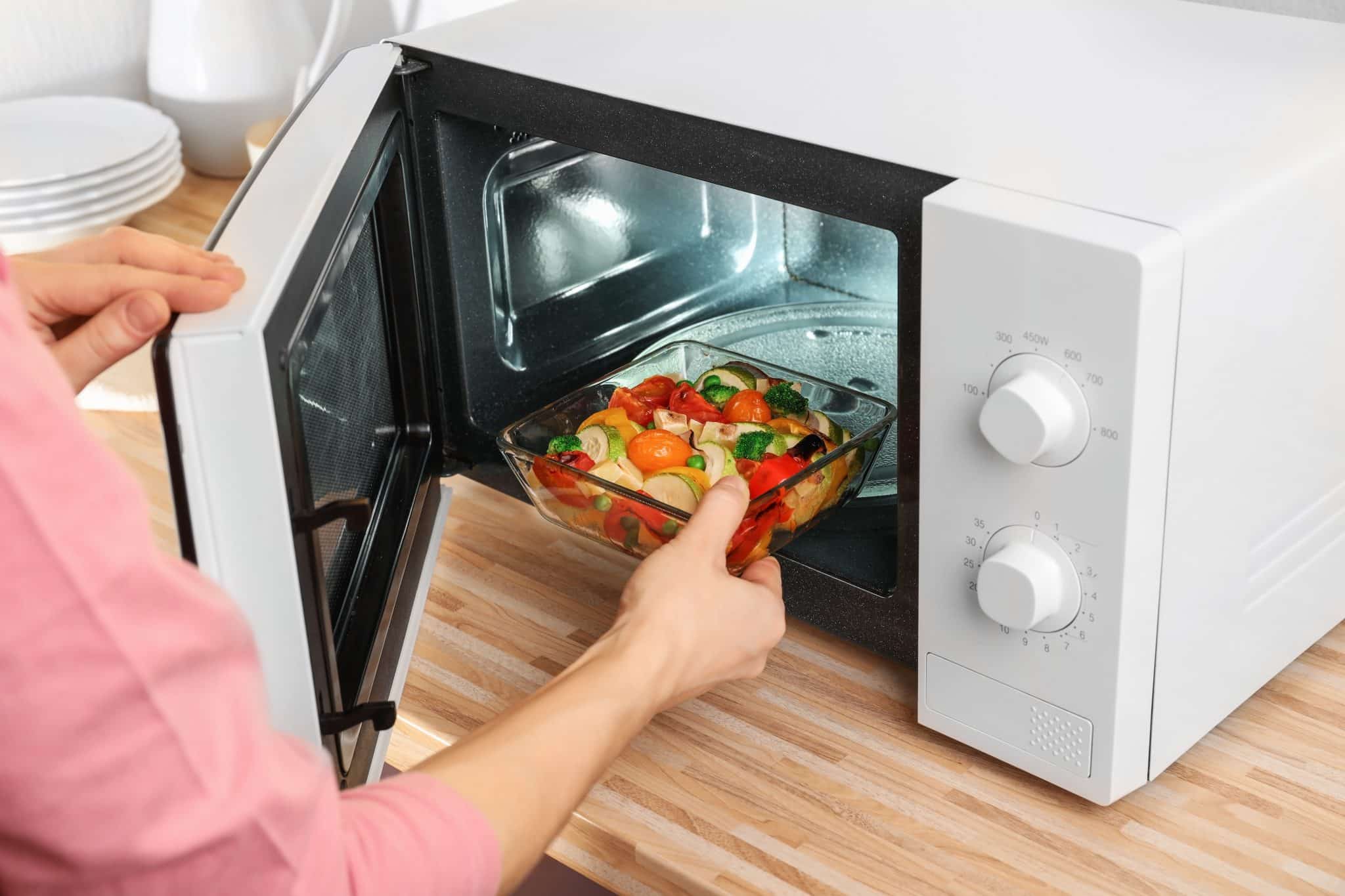
Microwave Tips: Covering, Venting & Adding Water
Cover food loosely with a microwave-safe lid or wrap. Leave a small vent for steam to escape. For slightly dry grains, add a splash of water to restore moisture and prevent tough, uneven heating.
Use medium power instead of high when reheating protein-heavy dishes. Slower reheating reduces the risk of rubbery textures and helps retain the original mouthfeel of the meal.
Oven Reheating for Baked and Crispy Foods
Crispy items like baked poultry or pan-fried fish maintain their crunch best in a preheated oven. Using foil or an oven-safe tray helps heat the food thoroughly while preventing the exterior from becoming overly dry.
Preserving Texture and Aroma
The way you reheat can make or break your lunchtime experience. Thoughtful reheating keeps the natural fragrance and bite of your dishes intact
Avoiding Rubbery Meat and Soggy Vegetables
Overheating meat, especially chicken and squid, leads to a rubbery texture, while vegetables can turn limp if left covered too long. Gentle reheating prevents dryness and preserves natural juiciness and colour.
If reheating mixed dishes, warm proteins and vegetables separately. This gives you more control and avoids overcooking lighter ingredients.
Restoring Crunch with a Quick Pan Toss
For stir-fried vegetables or lightly fried proteins, a quick toss in a lightly oiled pan after reheating can restore texture. This brings back the crisp edges and lively aroma that make your meal feel freshly cooked.
Ensure every meal tastes as good as it looks — get in touch for advice on executing these simple steps to enjoy your tingkat lunch at its best.
Food Safety from Delivery to Lunchtime
Reheating isn’t just about taste; safety matters. Keeping meals at the right temperature prevents bacterial growth and protects nutritional value.
Maintaining Ideal Temperatures and Time Management
Keep hot dishes above 60°C and cold items chilled below 4°C. Reheat meals until they reach 75°C consistently to ensure both safety and flavour.
If your office has limited fridge space, place your meal in an insulated bag with an ice pack until you can refrigerate it. This helps maintain safe temperatures during transit.
Labelling, Chilling, and Reheating on the Same Day
Label meals with the preparation date and avoid reheating more than once. Refrigerate promptly upon delivery and reheat only at lunchtime to keep meals fresh, tasty, and safe.
Avoid leaving food at room temperature for more than 2 hours, especially in warmer weather, as this speeds up bacterial growth.
Common Reheating Mistakes to Avoid
Reheating can be a simple process, but be mindful to avoid these mistakes:
- Heating at too high a temperature, which dries grains and toughens proteins
- Sealing lids fully, causing trapped steam and soggy vegetables
- Using non-microwave-safe containers that may warp or leach chemicals
- Reheating multiple times, compromising flavour and safety.
Avoiding these pitfalls ensures your tingkat lunch stays enjoyable and satisfying.
Simplify Your Lunchtime — Order Tingkat Meals from Savoury Catering Today
The simplest way to enjoy perfectly balanced, convenient meals is to have them delivered ready-to-eat. With carefully prepared dishes featuring the Essential Five — grains, poultry, vegetables, fish, and soup — Savoury Catering offer tingkat lunch delivery services that reheat beautifully and nourish your workday.
Contact us today to explore menus and delivery zones, and enjoy tingkat lunch delivery in Singapore that stays flavourful from morning to mealtime.